

Key Points:
- At POPS ABA, center-based ABA therapy in Raleigh, NC, starts with play-based bonding to help your child feel safe and comfortable.
- Our program is personalized, combining one-on-one support, social skills, and structured learning.
- POPS ABA’s day program helps children build communication and school readiness skills in a supportive setting.
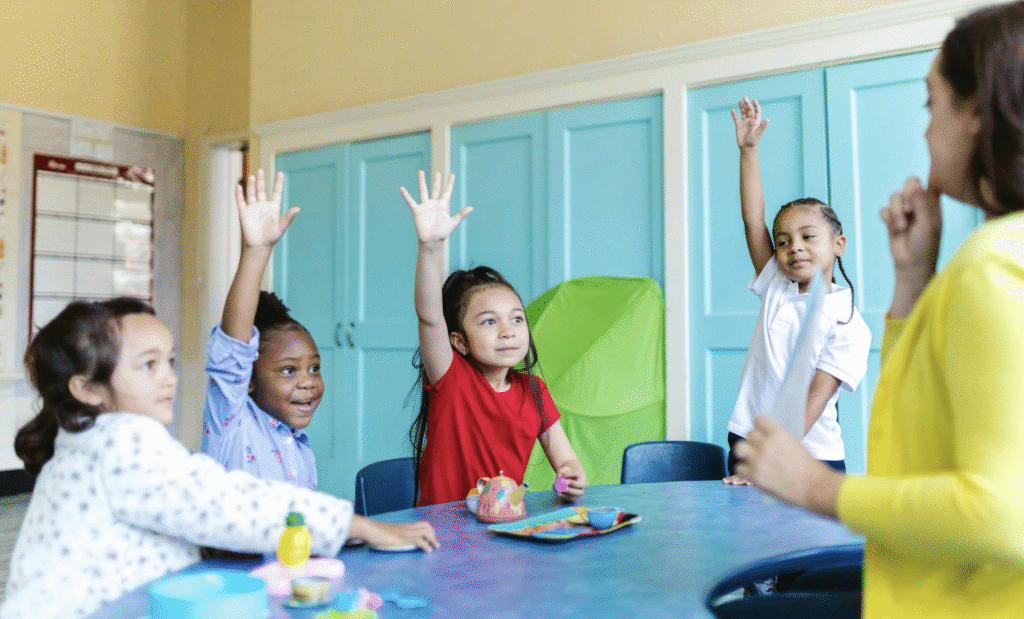
The first day of therapy can feel like a big step. You might be wondering how your child will adjust, what the environment will look like, and whether this is truly the right fit. If you’re exploring center-based ABA therapy in Raleigh, NC, understanding what to expect can help ease that uncertainty and make the transition smoother for your family.
At Pops ABA, the goal is simple: create a safe, structured, and engaging environment where children can learn, grow, and build real-life skills from day one.
What Is Center-Based ABA Therapy?
Center-based ABA therapy takes place in a specialized ABA clinic. This type of therapy is rooted in Applied Behavior Analysis, an evidence-based approach designed to improve communication, behavior, and daily living skills.
Inside an autism therapy center that North Carolina families rely on, children receive:
- One-on-one therapy with trained professionals
- Structured routines that support learning
- Opportunities to interact with peers
- Access to specialized therapy tools and spaces
It’s a setting designed to reduce distractions while maximizing learning opportunities in a way that feels supportive and engaging for your child.
How Center-Based ABA Therapy Works
Every child’s program at an autism center is individualized. Therapy is built around your child’s strengths, needs, and developmental goals.
Here’s what that typically includes:
One-on-One Therapy
Your child works closely with a Registered Behavior Technician (RBT), with ongoing supervision from a Board Certified Behavior Analyst (BCBA).
Individualized Treatment Plans
Programs target key areas like communication, social skills, play, and daily routines.
Structured Behavioral Intervention
Techniques such as Discrete Trial Training and Natural Environment Teaching help children learn step by step.
Peer Interaction Opportunities
Group play, shared activities, and social routines help children practice real-world social skills.
Parent Involvement
You’ll receive guidance and training so progress continues beyond the center.
School Readiness Support
Children practice following instructions, participating in group activities, and transitioning between tasks.
Data-Driven Progress
Therapists track progress daily, adjusting strategies to keep your child moving forward.

What the First Session Typically Includes
At an autism therapy center North Carolina families trust, the first session is thoughtfully structured while still feeling flexible and child-led. You might expect:
Meet and Greet
You and your child are introduced to the therapy team, helping everyone feel more comfortable in the new setting.
Observation and Play-Based Assessment
While your child plays, the therapist begins observing:
- Communication style
- Social interaction
- Interests and motivations
- Current skill levels
This helps shape the individualized plan within the ABA day program in Raleigh that your child will follow.
Parent Input and Collaboration
Your role is important from the very beginning. You may be asked about:
- Daily routines
- Preferred activities or toys
- Challenging behaviors
- Communication patterns
This insight helps the team personalize care at the autism center in NC, where your child attends.
Initial Data Collection
Even on day one, therapists begin gathering baseline information to track progress over time.

Parent Involvement on Day One
During your child’s first day of ABA therapy in Raleigh, you are not on the sidelines. You are part of the process.
You may be invited to:
- Observe parts of the session
- Share feedback in real time
- Help your child transition into the new environment
- Ask questions about goals and next steps
This collaboration continues throughout your child’s therapy journey.
Tips to Help Your Child Have a Great First Day
Starting at an ABA clinic can feel like a big change, but a little preparation can make a big difference:
- Use positive language: Describe therapy as a fun place with toys and games
- Bring comfort items: A favorite toy or snack can help ease transitions
- Expect some fatigue: New environments can be tiring, and that is completely normal
- Dress for play: Comfortable clothes help your child fully engage
A Gentle Start That Builds Long-Term Success
Whether you are starting in Raleigh or exploring ABA therapy in Charlotte, North Carolina, it helps to remember that the first session is intentionally low-pressure.
There are no high expectations or strict demands. Instead, the focus is on creating a strong, positive foundation. Once your child feels safe, connected, and motivated, meaningful progress can begin.
That first day may feel small, but it is one of the most important steps in your child’s journey.
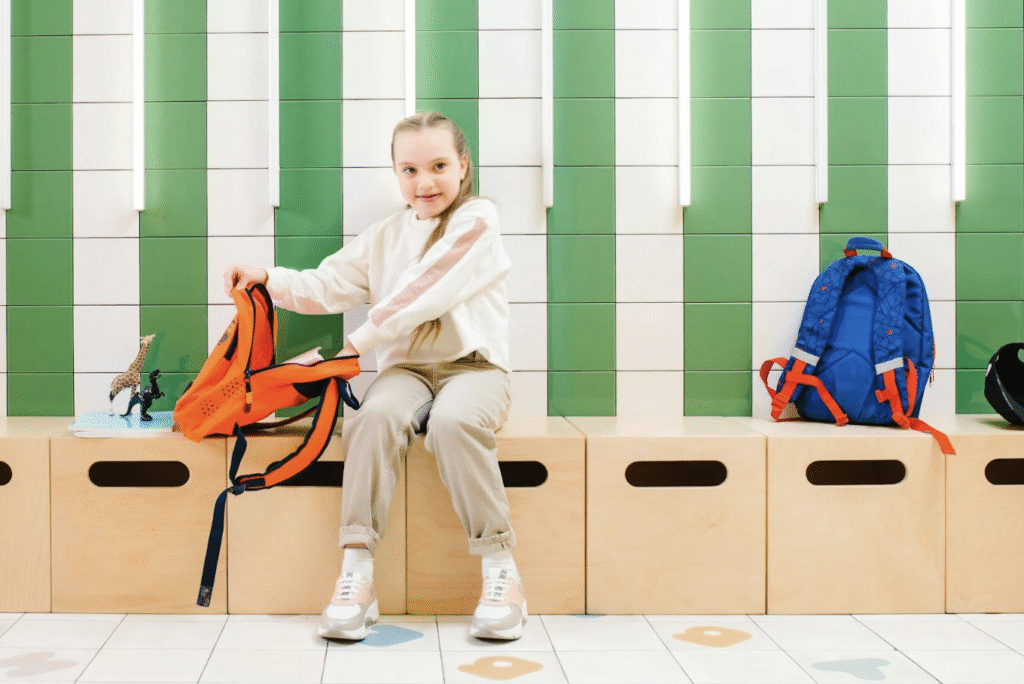
Core ABA Strategies Used in Center-Based Therapy
At an ABA clinic, therapy is built on proven strategies that support long-term success:
- Positive Reinforcement: Rewarding desired behaviors to encourage repetition
- Discrete Trial Training (DTT): Breaking skills into small, teachable steps
- Natural Environment Teaching (NET): Learning through play and real-life situations
- Task Analysis: Teaching complex skills step by step
- Prompting and Fading: Gradually reducing support to build independence
- Behavioral Assessment (ABC Data): Understanding why behaviors happen
- Generalization: Applying skills across different settings
- Token Economies: Earning rewards through consistent positive behavior
Regular Day Sessions at an ABA Clinic Might Look Like:
Example of a Center-Based ABA Day Program
A typical ABA day program in Raleigh blends structured learning with play and social interaction. Here’s a simplified example of a session that lasts about three hours:
- 0:00 – 0:15: Arrival and free play for comfort
- 0:15 – 0:45: One-on-one structured learning
- 0:45 – 1:00: Functional skills practice
- 1:00 – 1:30: Play-based learning
- 1:30 – 2:00: Social interaction with peers
- 2:00 – 2:45: Communication or fine motor activities
- 2:45 – 3:00: Clean up and transition
This balance helps children stay engaged while learning essential skills.

Who Center-Based ABA Therapy is Recommended For
Center-based therapy is especially helpful for:
- Young children with autism, typically ages 18 months to 8–10 years
- Children who benefit from structured routines
- Kids who need support with social interaction
- Families looking for consistent weekday schedules
- Children preparing for school environments
Whether you’re in Raleigh or exploring ABA therapy in Charlotte, North Carolina, the structure of center-based care can make a meaningful difference in early development.
Benefits of Center-Based ABA Therapy
Choosing a center-based model offers several advantages:
Structured Environment
Predictable routines help reduce anxiety and improve focus.
Social Opportunities
Children regularly interact with peers, building essential social skills.
Faster Skill Development
With fewer distractions and consistent supervision, children often progress more quickly.
School Readiness
Centers mimic classroom environments, preparing children for academic settings.
On-Site Supervision
BCBAs are available to adjust programs in real time.
Access to Specialized Resources
Therapy gyms, sensory tools, and learning materials enhance the experience.

Center-Based vs In-Home ABA Therapy
Both approaches have value, and the right choice depends on what works best for your child’s needs, which will be determined via an assessment with a Board Certified Behavioral Analyst (BCBA).
- Best for structured learning and social development
- Offers peer interaction and consistent supervision
- Best for practicing real-life routines
- Provides comfort and convenience
Many families find that a combination of both creates the best outcomes.
Take the First Step with POPS ABA Therapy Services
Starting therapy can feel overwhelming, but you don’t have to navigate it alone. Whether you’re looking for a trusted autism therapy center North Carolina families recommend or exploring a structured ABA day program Raleigh, we’re here to support you.
If you’re ready to begin center-based ABA therapy in Raleigh, NC, reach out to us today:
📞 (919) 899-1119
📧 info@popsaba.com
A simple first step can open the door to meaningful progress for your child and more confidence for your family.

Frequently Asked Questions
1. What should I expect on my child’s first day at a center-based ABA therapy program in Raleigh, NC?
The first day of center-based ABA therapy in Raleigh, NC, is focused on helping your child feel comfortable. Therapists prioritize pairing, building trust through play, and observing your child’s interests and communication style. There is little pressure to complete tasks, as the goal is to create a positive first experience.
2. How long does a typical ABA day program in Raleigh last?
A typical ABA day session can range from 2 to 6 hours, depending on your child’s individualized plan. Some children attend part-time, while others benefit from full-day programs designed to provide more intensive support.
3. Will my child receive one-on-one support at an ABA clinic in Raleigh?
Yes. At an ABA clinic in Raleigh, your child will work one-on-one with a Registered Behavior Technician (RBT), under the supervision of a Board Certified Behavior Analyst (BCBA). This ensures personalized attention and consistent progress tracking.
4. How does a center-based program help with social skills?
In an autism therapy center North Carolina families trust, children have structured opportunities to interact with peers through group activities, play, and guided social sessions. This helps build skills like sharing, turn-taking, and communication in a supportive environment.
5. Is center-based ABA therapy better than in-home therapy?
Both options have benefits. Center-based ABA therapy in Raleigh, NC, offers a structured environment with fewer distractions and more peer interaction, while in-home therapy focuses on real-life routines. Many families choose a combination of both for well-rounded progress.
6. How involved are parents during therapy?
Parents play an important role. At an autism center in NC, you’ll receive regular updates, training, and guidance so you can reinforce skills at home. You may also be invited to observe sessions or participate in goal-setting.
7. Are services available outside Raleigh, like ABA therapy in Charlotte, North Carolina?
Yes. In addition to services in Raleigh, many providers offer ABA therapy in Charlotte, North Carolina, giving families across the state access to high-quality, center-based autism support.
