


Key Points:
- ABA support builds communication, behavior, and independence skills for school success.
- Home-based and center-based therapy plus social skills groups support real-life learning.
- Consistent support helps children build confidence and routines across settings at POPS ABA Therapy.
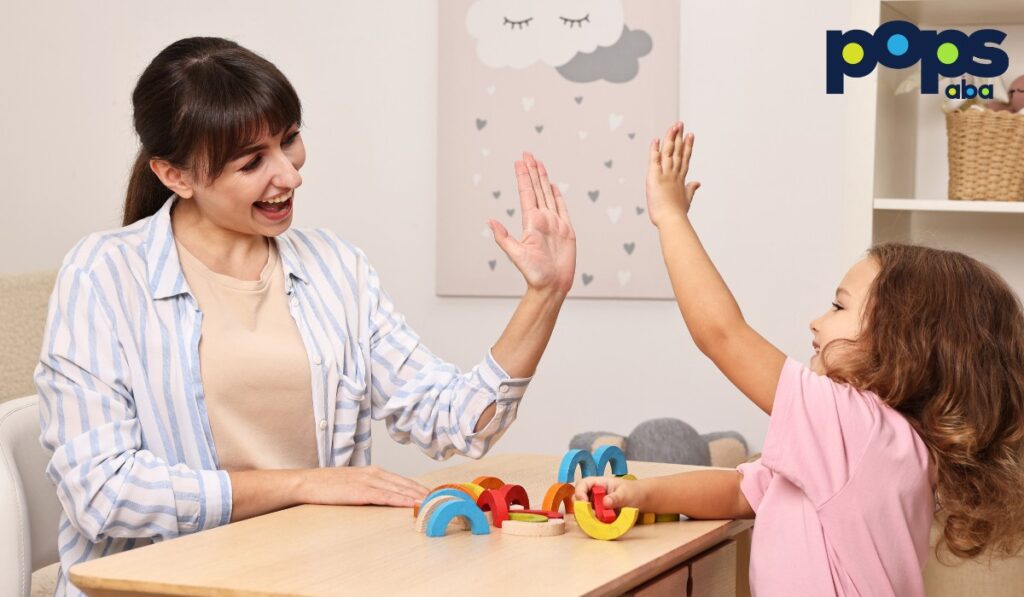
Picture this: your eight-year-old comes home from school in tears again. The teacher mentioned another tough afternoon. Homework feels like a battle. You know your child is bright, capable, and full of potential, yet something about the school day keeps tripping them up. If this sounds familiar, you are not alone, and there is a path forward that brings real change.
At POPS ABA Therapy, we provide individualized, evidence-based support for families seeking ABA therapy for school-age children in New Jersey. Through home-based therapy, center-based programs, early intervention development, and social skills groups, we help children build meaningful skills that carry into school, home, and the community.
Why the School-Age Years Matter
Children between the ages of 6 and 12 are doing much more than learning academics. They are building friendships, learning how to follow multi-step directions, managing emotions in busy environments, and developing independence.
For many families exploring school-age autism therapy in NJ, these years can feel especially challenging. As classrooms become larger and expectations increase, children may struggle with transitions, group work, or unspoken social rules.
This is where autism therapy school-age New Jersey services can make a meaningful difference, by breaking skills down into teachable steps and helping children succeed in their natural environments.
What ABA Therapy Looks Like for School-Age Children
ABA therapy for older children is structured differently from early intervention. For families seeking ABA therapy in elementary school in NJ, the focus shifts toward real-world independence and functional life skills.
At POPS ABA Therapy, programs for school-age learners often target:
- Communication skills for self-advocacy and peer interaction
- Emotional regulation strategies for frustration, anxiety, and overstimulation
- Executive functioning skills, such as organization and routines
- Social skills to support friendships and group participation
- Academic readiness behaviors such as staying on task and asking for help
Home-Based and Center-Based ABA Support in New Jersey
POPS ABA Therapy does not provide therapy in school settings. Instead, we focus on high-quality home-based ABA therapy, center-based programs, early intervention development, and social skills groups that help children generalize skills across environments.
Home-Based ABA Therapy
Home sessions allow children to learn in a familiar, comfortable environment. Skills are taught in real-life situations such as:
- Morning and bedtime routines
- Homework completion without frustration
- Transitioning between activities
- Independent daily living skills
Center-Based ABA Therapy
Our center-based programs provide structured learning environments where children can practice social interaction, communication, and behavioral skills alongside peers.
Social Skills Groups
Social skills groups help children build friendships, practice conversation, and develop confidence in group settings, an essential part of school-age autism therapy in NJ.
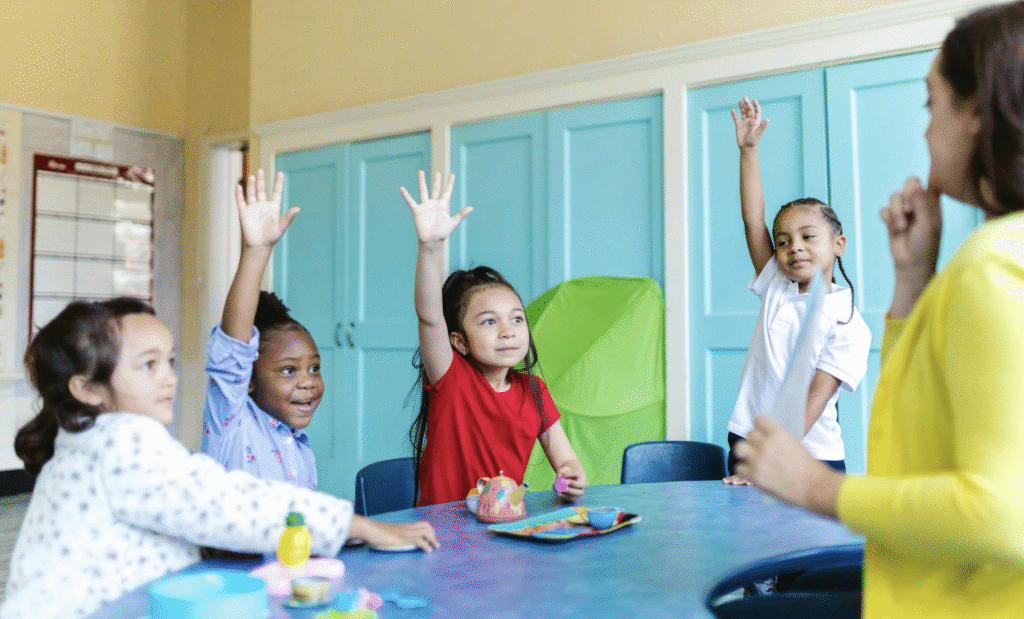
Real-Life Skills Children Build Through ABA
Families seeking ABA therapy for school-age children in New Jersey often notice meaningful progress in everyday life skills such as:
- A 7-year-old learning to follow a morning routine without resistance
- A 9-year-old using coping strategies instead of melting down during group work
- A 10-year-old starting conversations and building friendships through structured social skills groups
- An 11-year-old developing organization skills for homework and school transitions
These outcomes are built over time through consistency, reinforcement, and individualized support.
Why Consistency Matters
Children thrive when expectations are clear and consistent across environments. Whether your child is participating in home-based therapy or center-based sessions, the goal is always the same: to build independence and confidence.
For families searching for autism therapy in New Jersey, consistency between therapy sessions and daily life is one of the strongest predictors of long-term success.
A Path Toward Confidence and Independence
Every child deserves the chance to feel successful, in school, at home, and in the community. With structured, compassionate support, children can build the skills they need to thrive.
If you are exploring ABA therapy for school-age children in New Jersey, POPS ABA Therapy is here to guide your family through the next step.
Reach out today to learn more and start your child’s individualized ABA journey in New Jersey with us: (973) 239-4797.

Frequently Asked Questions
1. Is my child too old for ABA therapy?
No. ABA is effective for school-age children and even teens. Therapy is adapted to focus on independence, communication, and social development.
2. Do you provide ABA therapy in schools?
POPS ABA Therapy provides services through home-based and center-based programs, as well as social skills groups and early intervention development.
3. Will ABA therapy support my child’s school performance?
Yes. While therapy is not delivered in schools, we build foundational skills that support classroom success and collaborate with caregivers and educators.
4. Does insurance cover ABA therapy in New Jersey?
Many insurance plans in New Jersey cover ABA therapy for children with an autism diagnosis. Our team assists with verification.
5. How many hours of therapy will my child need?
This varies based on individual needs. Your BCBA will recommend a plan tailored to your child’s goals.
