


Key Points:
- Structured classrooms with clearly defined zones and minimal clutter help students with autism stay focused and independent.
- Visual supports like schedules, first/then boards, and labeled materials reduce anxiety and support task completion.
- Consistent routines, environmental adjustments, and positive reinforcement enhance learning, engagement, and self-regulation.

Research shows that an effective school organization for autism relies on high-structure, visual supports, and predictable routines.
These strategies help reduce anxiety, foster independence, and create a supportive learning environment. Students with autism benefit from classrooms that are thoughtfully organized, both in terms of physical layout and daily routines.
Key approaches include:
Visual Supports and Schedules
Using visual supports is essential for students with autism. Visual cues help with transitions and task completion, providing a concrete representation of abstract concepts.
- Visual Schedules: Picture cards or written lists can outline the day’s routine, guiding students through transitions.
- Task Organization: Checklists and to-do lists break assignments into manageable steps, improving study skills.
- Color-Coding: Assigning specific colors to folders, bins, and workstations enhances independence and makes personal materials easy to identify.
These methods form the foundation of classroom organization and support students in navigating complex school environments.
Classroom Structure
A structured classroom layout reduces sensory overload and increases focus. Effective classroom organization strategies include:
- Structured Zoning: Define specific areas for different activities, such as a quiet zone, an independent work area, or a group instruction space.
- Minimize Clutter: Remove unnecessary visual and auditory distractions, using room dividers or covered shelves as needed.
- Labeling: Containers and shelves should be labeled with pictures or words to encourage independent access and return of materials.
A predictable, well-organized environment allows students with autism to thrive academically while practicing essential study skills.
Routine and Planning
Predictable routines are a key component of homework routines and daily school life. Consistency reduces anxiety and ensures students know what to expect.
- Clear Communication: Provide concise, direct instructions while avoiding abstract language.
- Transition Warnings: Give advance cues before switching activities.
- Independent Work Systems: Use “task boxes” or structured workstations that allow students to complete tasks independently.
- Predictable Procedures: Establish consistent routines for morning arrival, turning in work, and packing up.
By implementing these procedures, teachers and parents can foster independence while reinforcing positive behaviors and school organization autism skills.
Tools for Organization
Specialized tools support both planner use and effective material management for students with autism:
- Folders and Binders: Color-coded folders, such as “Take Home” and “Return to School,” help students keep track of assignments.
- Technology Aids: Timers, alarms, and apps provide reminders and help manage time efficiently.
- Social Narratives: Personalized stories teach or reinforce organizational routines and expected behaviors.
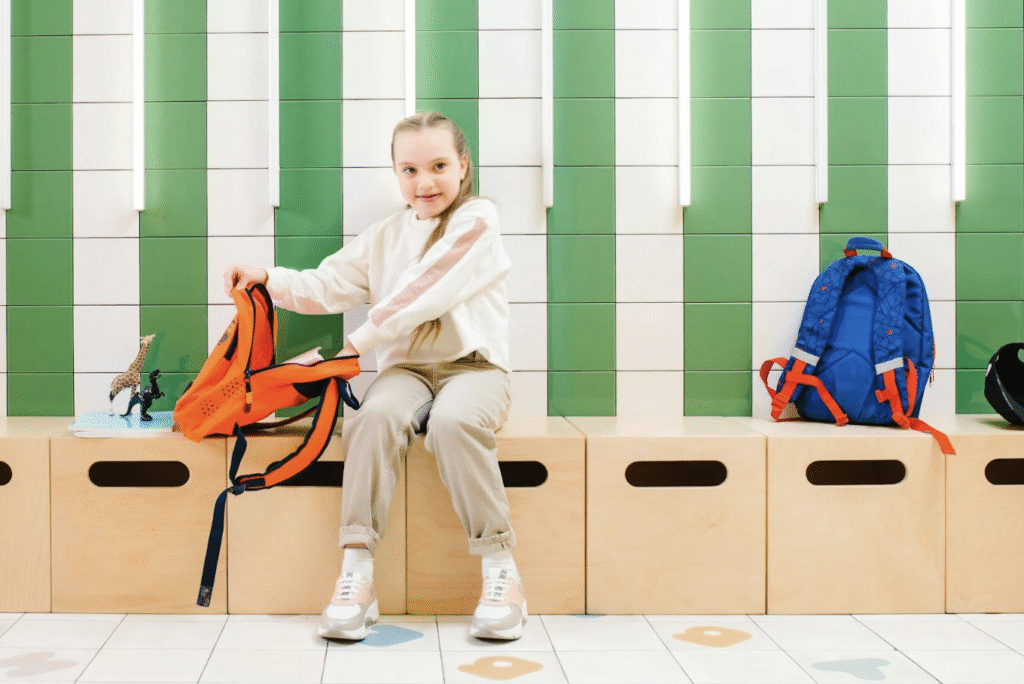
- Backpack Systems: Specialized, often sensory-friendly backpacks provide calming and organizational tools. Weighted backpacks, noise-canceling headphones, sensory toys, and visual supports help manage anxiety and sensory overload.
These tools support independence, reduce frustration, and improve the student’s ability to manage homework routines and daily school activities.
Homework Routines
Establishing a consistent, low-stress homework routine is critical for students with autism:
- Predictable Environment: A quiet, distraction-free workspace set at a regular time fosters habits.
- Visual Tools: Checklists, timers, and picture schedules illustrate task sequences and durations.
- Chunk Tasks: Break larger assignments into smaller, manageable steps.
- First/Then Strategies: Structure tasks before preferred activities to encourage completion.
- Preferred Interests: Integrate special interests to increase engagement and motivation.
- Breaks: Short, scheduled breaks help prevent frustration.
Structured homework routines complement classroom organization, reinforcing skills and independence.

Planners for Autism
Using planners improves planner use, supports executive functioning, and reduces stress:
- Visual Aids/Icons: Icons represent activities, reducing cognitive load.
- Visual Schedules/Time Blocking: Organize the day into structured blocks.
- Tracking Tools: Sections for sensory needs, social skills, therapy goals, and medication help students monitor progress.
- Flexibility: Customizable layouts allow changes to routines without creating stress.
Options include digital apps like Thruday, physical planners, or printable templates. Consistent planner use improves material management, self-awareness, and daily routine adherence.

Study Skills and Academic Support
Effective study skills rely on breaking down complex tasks and using visual aids:
- Task Breakdown: Simplify multi-step assignments using sequence cards or checklists.
- Visual Timers: Help students understand task duration and transition times.
- Individualized Materials: Labeled, color-coded folders make organizing homework simple.
- Engagement Strategies: Incorporate student interests to improve participation.
- Systematic Instruction: Video modeling and social stories teach organizational habits and social skills.
- Independence Training: First/then systems clarify activity sequences.
Example Structure and Layout
Organizing the classroom into specific zones helps students focus and understand expectations:
- Independent Work Center: A desk facing a wall to minimize distractions, equipped with a “Work” basket for ongoing tasks and a “Finished” box for completed assignments.
- Calm Down/Quiet Space: A corner with soft seating, dim lighting, or sensory tools such as weighted blankets to manage overstimulation and support self-regulation.
- Teacher-Led Center: A small group table for direct instruction and work on Individualized Education Plan (IEP) goals.
- Technology Area: A charging station with labeled bins for iPads, tablets, and headphones, keeping technology organized and easy to access.
By combining classroom organization, visual supports, and planner use, students can develop independence and confidence in managing academic tasks.
Implementing these strategies improves homework routines, study skills, and material management, ultimately fostering independence, reducing anxiety, and creating a more inclusive and productive learning experience for students with autism.
For guidance on implementing effective classroom strategies and support tailored to each student, contact us
FAQs
1. Why is classroom organization important for students with autism?
Classroom organization provides structure, reduces anxiety, and supports independence. Clear zones, visual schedules, and predictable routines help students focus, complete tasks, and build confidence.
2. What are the most effective visual supports for students with autism?
Effective visual supports include individualized visual schedules, first/then boards, labeled bins, and checklists. These tools guide students through tasks, transitions, and daily routines while reducing cognitive overload.
3. How can I structure classroom zones to support learning?
Divide the classroom into specific areas such as an independent work center, a calm-down/quiet space, a teacher-led instruction area, and a technology zone. Each zone should have clear boundaries, organized materials, and purpose-driven design to minimize distractions.
4. What tools can help students stay organized with homework and school materials?
Tools like color-coded folders, binders, visual timers, task boxes, social narratives, and sensory-friendly backpack systems help students manage assignments, maintain materials, and complete tasks independently.
5. How can teachers implement effective homework routines for students with autism?
Establish a predictable environment, break assignments into smaller chunks, use visual schedules or timers, incorporate first/then strategies, integrate students’ interests, and schedule short breaks to maintain focus and reduce frustration.
6. What role do planners play in supporting students with autism?
Planners, whether digital apps, physical binders, or printable templates—help students track daily activities, therapy goals, sensory needs, and social skills. Consistent planner use improves material management, routine adherence, and self-awareness.
7. How can positive reinforcement be used in classroom organization?
Token boards or reward systems can reinforce desired behaviors, such as completing tasks or staying on task. Students earn tokens or points to exchange for preferred activities, which motivates participation and encourages independence.
