

Key Points:
- Early and consistent skill-building is essential: Teaching independence skills from childhood through adulthood lays the foundation for self-care, daily living, and lifelong self-sufficiency.
- Structured strategies support independence: Using ABA techniques like task analysis, chaining, visual supports, and positive reinforcement helps children and adults with autism master complex tasks step by step.
- Practical life skills improve quality of life: Developing daily living skills and adaptive skills, from hygiene and meal preparation to money management and community navigation, boosts confidence, autonomy, and long-term independence.

Why Independence Can Be Challenging for Autistic Individuals
Building independence is a key goal for children and adults with autism. Developing self-care, daily living, and adaptive skills boosts confidence, improves quality of life, and prepares individuals for long-term independence.
Structured life skills programs help overcome challenges in executive functioning, sensory processing, and social-emotional regulation, making everyday tasks easier to plan, organize, and complete.
Key Factors Influencing Independence Challenges
- Executive Dysfunction: Autistic individuals experience difficulties with executive functioning (EF), making it hard to plan, prioritize, start, and complete tasks. This often includes trouble breaking down complex tasks into smaller, manageable steps, a critical part of building autism independence skills.
- Sensory Processing Differences: Sensitivity to textures, sounds, or smells can make daily activities such as showering, cooking, or dressing uncomfortable or overwhelming.
- Motor Skill Difficulties: Challenges with fine and gross motor skills can affect grooming, handling money, or performing household chores.
- Generalization Challenges: Skills learned in one environment (like school) may not easily transfer to other settings (home or community), making it difficult to maintain consistent daily living skills.
- Anxiety and Mental Health: High levels of anxiety can interfere with following routines or completing tasks independently.
- Communication Barriers: Difficulty understanding expectations or asking for help can prevent successful task completion.
- Limited Exposure to Life Skills: Often, educational or therapy programs focus on academics or behavior, leaving less time for practical skills like cooking, budgeting, or self-care.
By addressing these challenges with tailored adaptive skills training, children and adults with autism can gradually gain independence and confidence in everyday life.
Common Life Skills People with ASD Struggle With
A comprehensive life skills curriculum for autism focuses on practical, everyday abilities. Key areas include:
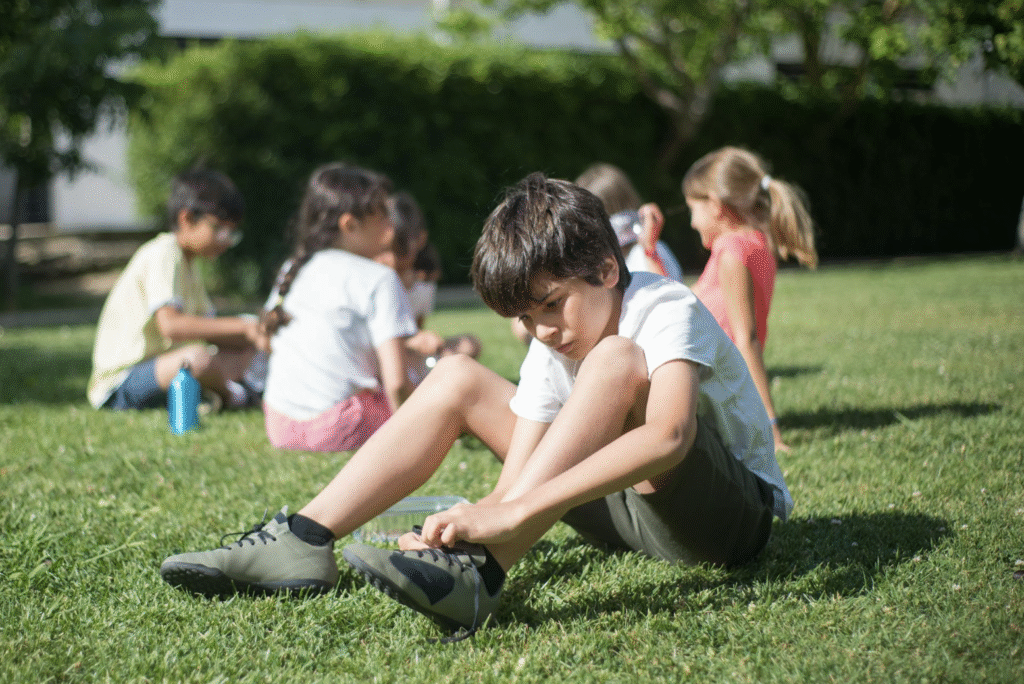
1. Self-Care Skills
Self-care is the foundation of independence. Activities include:
- Personal hygiene (brushing teeth, bathing)
- Grooming (hair care, nail care)
- Dressing and choosing appropriate clothing
- Toileting and menstrual care
Teaching these skills through step-by-step guidance, visual supports, and repetition encourages success.
2. Daily Living Skills
Daily living skills encompass tasks necessary for managing day-to-day life:
- Meal preparation and cooking
- Laundry and household chores
- Cleaning and organizing personal space
- Shopping and budgeting
By integrating these skills into a structured routine, individuals can practice in real-world settings and generalize learning.
3. Adaptive and Functional Skills
Adaptive skills help navigate social and environmental demands:
- Time management and scheduling
- Communication for requesting help or expressing needs
- Safety awareness at home and in public
- Problem-solving and decision-making
Adaptive skills training ensures individuals can respond effectively to daily challenges, enhancing independence and safety.
4. Preparing for Independent Living
For older adolescents and adults, independent living preparation is essential. This stage may include:
- Managing finances and paying bills
- Planning and preparing meals independently
- Using public transportation or community resources
- Understanding employment basics and workplace etiquette
Gradual exposure to these tasks builds confidence and readiness for adult life.
Why Teaching Independence Skills Matters
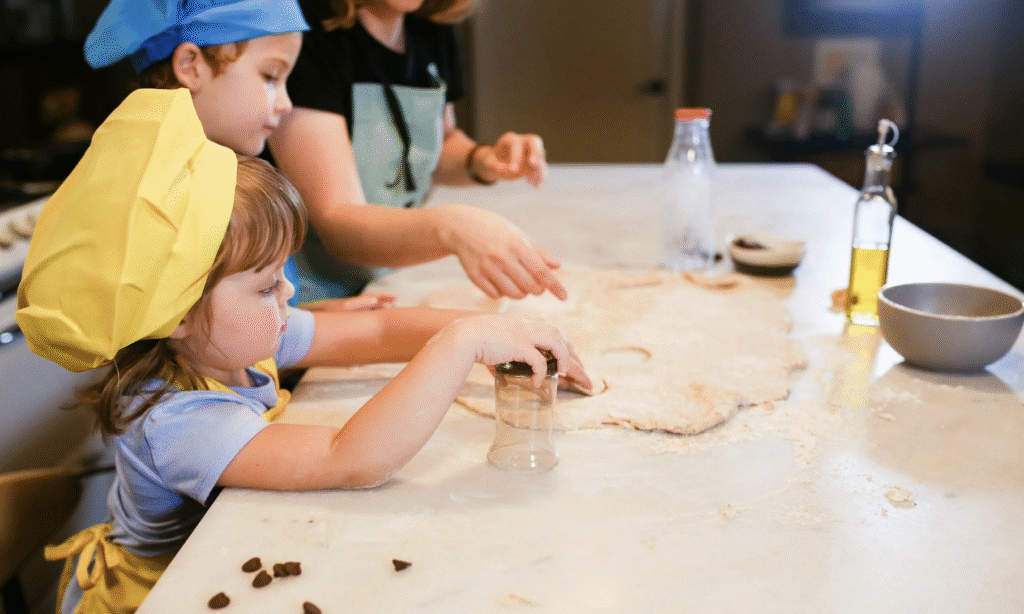
Children and adults with autism often face challenges in executive functioning, communication, and sensory processing. These challenges can make daily tasks, like dressing, cooking, or managing money, overwhelming without guidance. Teaching independence skills helps:
- Promote self-confidence, autonomy: Mastery of tasks creates a sense of achievement.
- Encourage self-sufficiency: Reduces reliance on caregivers over time.
- Prepare for real-life situations: Equips individuals to navigate school, work, and community settings.
- Reduced anxiety and dependence on caregivers.
- Improved quality of life and long-term outcomes.
When to Start Teaching Independent Living Skills to Children with Autism
Developing independent living skills for autistic individuals should start as early as possible:
Developmental Milestones and Skill Focus
- Early Childhood (Preschool/Early Intervention): Focus on basic self-care skills such as handwashing, eating, and simple dressing. Introduce foundational skills like waiting, following simple routines, and making choices to encourage early independence skills.
- Middle Childhood (School Age): Develop responsibility through structured chores, using visual schedules to manage time, and teaching essential safety skills.
- Adolescence (Age 14+): Emphasize personal hygiene, navigating the community, money management, and vocational training as part of the Individualized Education Program (IEP).
- Adulthood: Transition to more complex skills such as full independent living, financial management, advanced self-advocacy, and adaptive problem-solving.

Strategies for Teaching Independence Skills
Successful skill-building combines consistency, personalization, and positive reinforcement:
- Use a Life Skills Curriculum: Structured programs like ABA therapy provide a clear roadmap for teaching self-care, daily living, and adaptive skills.
- Break Tasks into Steps: Simplify tasks into manageable steps and use visual supports or checklists.
- Practice in Real Settings: Generalizing skills in home, school, and community environments increases success.
- Reinforce Progress: Celebrate achievements and provide positive feedback to motivate continued learning.
- Collaborate with Caregivers and Educators: Consistency across settings ensures skills are maintained and strengthened.
Life Skills Curriculum: Using ABA Strategies to Promote Independence in Daily Life Skills
By using ABA strategies as part of a structured life skills curriculum, overwhelming tasks become manageable, helping children with autism develop self-sufficiency, confidence, and real-world independence.
These techniques are vital for independent living preparation and comprehensive adaptive skills training.

Key ABA Strategies for Building Independence
1. Task Analysis (Step-by-Step Breakdown): Breaking complex tasks into smaller, manageable steps helps children learn daily living skills effectively.
Example: Teaching handwashing by breaking it into: turn on water, wet hands, apply soap, scrub, rinse, turn off water, dry hands.
2. Prompting and Prompt Fading: Providing initial support (physical, verbal, or visual) and gradually removing it helps children gain confidence and self-sufficiency.
Example: Start with hand-over-hand assistance for brushing teeth, move to verbal cues like “brush the back,” and eventually allow independent brushing.
3. Chaining (Forward or Backward): Teaching sequences of steps, either from start to finish (forward) or finish to start (backward), supports adaptive skills training.
Example: Dressing skills, starting with putting on socks (first step) or pulling up pants (last step).
4. Visual Supports and Schedules: Using picture charts, checklists, or visual cues guides children through routines without constant verbal prompts, a key part of independent living preparation.
Example: A bathroom mirror checklist for morning routines: 1. Toilet, 2. Wash hands, 3. Brush teeth.
5. Positive Reinforcement: Immediate rewards or praise after completing a task or mastering a step reinforce independence skills.
Example: A token board to earn screen time after finishing homework or cleaning up toys.
6. Generalization Training: Practicing skills across multiple environments ensures children can apply what they learn anywhere, strengthening daily living skills.
Example: Using the same handwashing routine at home, school, and in public restrooms.

Daily Life Skills Promoted Through ABA in Practice
- Self-Care: Brushing teeth, showering, dressing, toilet training (teaching self care autism)
- Meal Preparation: Making a sandwich, using a microwave, pouring a drink
- Household Chores: Sorting laundry, setting the table, putting toys away
- Functional Skills: Using money, packing a backpack, following visual schedules for school readiness
How ABA Therapy Promotes Independence Across the Lifespan
A child may learn to independently brush their teeth or make their bed through chained steps, while an adult can acquire skills such as cooking or using public transportation independently.
Examples of ABA Promoting Independence from Child to Adult
- Daily Living Skills (Child to Adult): Tasks like hygiene routines (bathing, brushing teeth) or household chores (laundry, cleaning) are broken down into small steps, helping individuals manage their own care and living environment.
- Vocational and Life Skills (Adolescence to Adulthood): ABA supports training in money management, time management, cooking, and following safety rules to prepare for independent living.
- Social and Communication Skills: Functional communication is taught using tools like picture schedules or social stories, enabling individuals to express needs and participate in community activities such as shopping or visiting the park.
Consistent ABA Techniques for Building Independence at Every Age
- Chaining: Teaching a complex task, like making a sandwich, one step at a time to build mastery.
- Prompting and Fading: Providing verbal, visual, or physical cues and gradually reducing assistance to encourage independence.
- Positive Reinforcement: Rewarding independent actions to strengthen motivation and encourage repetition.
Teaching independence skills to individuals with autism is more than just teaching daily tasks, it’s about fostering confidence, self-sufficiency, and lifelong, meaningful independence.
Take the next step: Start building independence for your child. Contact our specialists to create a personalized plan for self-care, daily living, and independent living preparation.

FAQs
1. At what age should I start teaching independence skills to a child with autism?
It’s best to start as early as possible, ideally in early childhood (ages 2–3). Early intervention focuses on foundational self-care skills like handwashing, eating, and simple dressing, and gradually builds toward more complex tasks as the child grows.
2. What daily living skills should children with autism learn first?
Start with basic self-care skills such as brushing teeth, bathing, dressing, and toileting. Early exposure to routines, visual schedules, and step-by-step guidance helps children gain confidence and gradually develop independence skills.
3. How can ABA therapy help promote independence?
ABA uses structured strategies like task analysis, chaining, prompting and fading, visual supports, positive reinforcement, and generalization training. These techniques break tasks into manageable steps, encourage mastery, and support the application of skills across settings like home, school, and the community.
4. What life skills are important for adolescents with autism?
Adolescence is the ideal time to introduce vocational and functional life skills, including money management, cooking, time management, personal hygiene, safety awareness, and preparation for independent living. These skills are often included in an Individualized Education Program (IEP).
5. How do visual supports and schedules help children with autism?
Visual supports, such as picture charts, checklists, and social stories, reduce anxiety and provide clear guidance for completing tasks. They help children follow routines independently and reinforce daily living skills in multiple environments.
6. Can adults with autism still learn new independence skills?
Absolutely. Adults can continue to develop self-sufficiency through structured practice, real-world exposure, and tailored adaptive skills training. Skills like cooking, using public transportation, managing finances, and social communication can all be taught and reinforced using ABA strategies.
