

Key Points:
- Executive functioning challenges make organization difficult for many children with autism, impacting planning, time management, and completing school tasks.
- ABA therapy provides practical strategies, like visual schedules, task breakdowns, and positive reinforcement, to help students manage materials, homework, and routines independently.
- Structured routines and environmental supports, including color-coded systems, checklists, and organized workspaces, reduce overwhelm and promote confidence in school and home settings.

Why Organizational Skills Are Difficult for Autistic Children
For children and teens with autism, school can bring unique challenges—particularly when it comes to staying organized. Difficulties with executive functioning, planning, and managing materials can affect both academic performance and daily routines.
Executive functioning includes the mental skills that allow individuals to plan, focus, remember instructions, manage multiple tasks, and stay organized. Many autistic students experience challenges in these areas, making time management, task completion, and organization more difficult. This can lead to feelings of overwhelm and a reliance on rigid routines.
Some common factors that contribute to these organizational challenges include:
- Executive Functioning Deficits: Autistic individuals experience difficulties with executive functions, which are essential for organizing, planning, and completing tasks.
- Difficulty with Sequencing and Prioritizing: Children may struggle to decide which tasks are most important or the correct order in which to tackle them.
- Weak Central Coherence: A tendency to focus on details rather than the “big picture” can make it hard to categorize items or understand the overall goal of a task.
- Sensory Overload: Visual or physical clutter can feel overwhelming, causing stress or avoidance that interferes with tidying and organizing.
- Rigidity and Transition Challenges: Moving between activities, like stopping play to clean up, can be difficult due to a need for predictable routines.
- Time Management Struggles: Difficulty perceiving the passage of time can make planning ahead or estimating task duration very challenging.
Recognizing this is the first step to creating effective organizational systems tailored to their needs.
How ABA Strategies Support School Organization for Children with Autism
Applied Behavior Analysis (ABA) therapy can significantly improve school organization for children with special needs. By breaking down complex tasks, implementing visual schedules, and reinforcing routines, ABA helps students manage materials, complete assignments, and transition between activities with greater independence.
Ways ABA Therapy Enhances Planning Skills & School Organization
- Task Analysis: ABA breaks multi-step tasks, like packing a backpack or organizing a desk, into small, achievable steps, making them easier for students to complete.
- Visual Schedules and Timers: Structured visual tools provide predictability throughout the school day, reducing anxiety during transitions between classes or subjects.
- Routine Building: Therapy helps students learn to follow consistent classroom routines, including turning in homework, storing personal items, and managing school supplies.
- Positive Reinforcement: Students are rewarded for organized behaviors, such as completing assignments on time or maintaining a tidy workspace, which encourages the continuation of these habits.
- Self-Management Skills: Therapists teach students to monitor their own behavior, use checklists, and manage time effectively, promoting long-term independence in the classroom.
By creating a predictable and structured school environment, ABA interventions reduce overwhelm, support executive functioning, and allow students to focus more effectively on academics.

ABA in Practice: Strategies to Stay Organized at School
Applied Behavior Analysis (ABA) techniques provide practical strategies to build structure, routines, and independence.
1. Visual Checklists & Schedules: Visual tools help students understand and follow daily routines. Create checklists for activities like packing a backpack:
- Homework folder
- Water bottle
- Lunchbox
Using pictures or text makes each step clear and predictable.
2. Task Analysis (Breaking Tasks Down): Complex tasks can feel overwhelming. ABA breaks them into smaller, manageable steps. For example, “Clean Locker” can become:
- Take out trash
- Put books on shelf
- Hang up jacket
3. Color-Coding Systems: Assign a color to each subject (e.g., Math = Green, Science = Orange). Use matching folders, notebooks, and book covers to make materials easy to identify and store.
4. Timers and Alarms: Timers signal transitions between subjects or cue homework time, helping students manage time and reduce anxiety.
5. Positive Reinforcement: Reward organized behaviors to encourage independence. For example, after packing their backpack, a student might earn 5 minutes of free time or a preferred sticker.
6. Environmental Setup: Keep desks, lockers, and workspaces clutter-free. Use bins or containers to separate materials by category, making it easier to locate and return items.
7. Prepare the Night Before: Reduce morning stress by practicing evening routines: pack the bag, set out clothes, and organize folders for the next day.
By turning abstract goals like “stay organized” into concrete, actionable steps, ABA strategies help students build lasting school organization skills, manage materials effectively, and approach their day with confidence.

ABA in Practice: Strategies to Keep School Materials Organized
1. Visual Structure: Use color-coded folders, binders, and containers to categorize school materials. For example, green for math and blue for language arts makes it easier for students to quickly identify and store items.
2. Picture Labels: Label shelves, bins, and containers with both words and pictures. This visual support allows students to find and return materials independently.
3. “Clear Desk” Protocol: Designate specific areas on desks for items like pencil boxes or textbooks using masking tape or defined spots. Encourage a short “clear off” routine (e.g., 10 seconds) between tasks to keep materials organized throughout the day.
4. Visual Schedules and Checklists: Provide visual checklists to help students manage daily tasks and materials. This includes packing backpacks, organizing homework, and completing classroom activities.
5. Structured Environment: Keep backpacks and workstations predictable. Use checklists to ensure students pack materials correctly and consider keeping duplicate supplies at home for backup.
For example:
- Individualized Workstations: Assign a consistent, organized space for therapy or school materials to minimize distractions.
- Task Organization: Use stackable, labeled bins for each subject or activity, making materials easy to locate and return.
- Behavioral Maintenance: Offer positive reinforcement, praise, tokens, or other rewards when students keep materials organized or follow cleanup routines.
- Reducing Clutter: Regularly remove unnecessary items from lockers, desks, and backpacks to maintain a functional and orderly environment.
ABA in Practice: Strategies to Keep School Backpack Organized
1. Visual Supports and Checklists
Backpack “Map” (Visual Aid): Create a visual diagram of the backpack’s compartments, labeling what belongs in each. Example:
- Top Pocket = Snack
- Main Pocket = Folder
Laminated Checklist: Attach a durable checklist to the zipper using a luggage tag.
Morning and Evening Lists:
- Morning “Get Ready” list: Folder, Water Bottle, Lunch, iPad
- Evening “Go Home” list: Homework Folder, Finished Art, Empty Lunchbox
Color-Coding System: Assign colors to folders, notebooks, or materials to make identification fast and easy. For example, all therapy worksheets in a blue folder.
2. Structured Routines (Behavioral Chain)
Daily “Reset” Routine: Establish a consistent time each day—like right after arriving home—to empty the backpack, remove trash, and sort items.
“Keep” vs. “Go” Pile: Sort papers into two labeled containers:
- “Sign and Return”
- “Keep at Home”
Pairing with Reinforcement: Pair backpack cleaning with a preferred activity, such as listening to music or enjoying a snack afterward.
3. Environmental Modifications (Reducing Clutter)
Clear Pouches: Use labeled, transparent pencil cases or small bags for pens, pencils, and sensory tools so contents are easy to see.
Limit Contents: Pack only necessary items to keep the backpack light and reduce overwhelming choices.
Designated “Home” for Items: Ensure every item—headphones, worksheets, snacks—has a specific, consistent spot inside the bag.
4. Teaching and Prompting Strategies
Modeling/Demonstration: Parents or therapists demonstrate organizing their own bag first to show the process clearly.
Prompt Fading: Start with hand-over-hand or verbal prompts (e.g., “Where does the folder go?”), then gradually reduce guidance until the child can complete the task independently.
Task Analysis: Break “clean your bag” into small, actionable steps:
- Open zipper
- Remove folder
- Throw away trash
- Insert new homework
Example Routine
After a session, the therapist might say: “It’s time for our Backpack Check.”
The child follows their laminated visual list, placing the data folder in the front pocket and tablet in the main pocket.
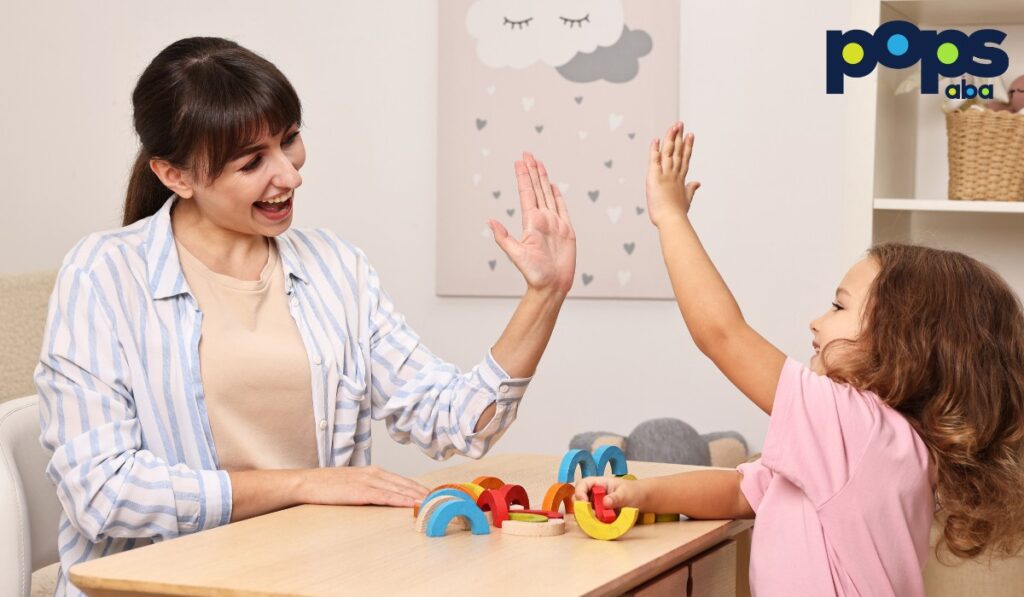
Once the routine is completed, the child receives reinforcement, such as a high-five or praise.
ABA in Practice: Strategies for an Organized Homework System
1. Environmental Setup & Structure
- Designated Workspace: Create a consistent, quiet, and well-lit area used solely for homework. This helps signal to the brain that it’s time to focus.
- Organization Hub: Use colored folders for each subject or implement a “To-Do” vs. “All Done” bin system.
- Structured Timing: Set a consistent homework time each day (e.g., 4:00 PM) to build predictability and routine.
2. Task Breakdown (Task Analysis)
Breaking large assignments into smaller steps reduces anxiety and prevents overwhelm.
Example: Instead of “Do Math Packet,” create a step-by-step list:
- Get pencil and paper
- Open to page 1
- Solve 3 problems
- Take a 2-minute break
- Repeat
3. Visual Supports
Visual aids help students understand expectations and track progress:
- First/Then Board: Example: “First math, then tablet time.”
- Checklist: Written or picture checklist to mark completed tasks.
- Visual Timer: A countdown timer (like a Time Timer) shows how long to work or how long a break lasts.

4. Reinforcement System
Motivation is key. Provide rewards that are meaningful to the student and contingent on task completion.
- Token Economy: Earn a sticker or token for each completed step. Exchange tokens for a preferred reward.
- Immediate Reinforcement: Offer praise or a small reward right after completing a task to increase repetition of positive behaviors.
5. Behavioral Momentum
Begin with 1–2 easy or preferred tasks to build confidence and momentum before tackling more challenging assignments.
6. Prompting and Fading
- Initially: Use physical guidance (pointing, hand-over-hand) or verbal prompts to start tasks.
- Fading: Gradually reduce prompts so the student can complete tasks independently.
Example Routine in Practice
A 9-year-old struggles to complete spelling homework. Using ABA strategies:
Setup:
- “Spelling Station” with a 5-minute visual timer, checklist, and token board.
Task Breakdown:
- Worksheet divided into 3 smaller strips.
Routine:
- Task 1: Write first 3 words → Earns 1 sticker
- Task 2: Write next 3 words → Earns 1 sticker
- Break: 2-minute favorite song
- Task 3: Write final 4 words → Earns 1 sticker
Reward: Full token board (3 stickers) → 10 minutes of tablet time
This ABA-based system transforms homework from a daunting task into a structured, manageable, and rewarding activity. It fosters independence, reduces resistance, and helps students build lasting organizational and study skills.
Support for Planning and Organizational Skills
At Pops ABA, our therapists use evidence-based strategies to help children with autism build executive functioning, stay organized, and complete homework independently.
Contact us today to learn how we can create a personalized plan for your child’s success.

FAQs
1. What is ABA therapy, and how does it help with school organization?
ABA (Applied Behavior Analysis) uses structured strategies, visual supports, and reinforcement to help children develop executive functioning, stay organized, and complete school tasks independently.
2. Why do children with autism struggle with organization?
Many children with autism have executive functioning challenges, making it difficult to plan, prioritize tasks, manage time, and keep materials organized.
3. What are visual supports, and how do they help?
Visual aids, like checklists, color-coded folders, and picture labels, make abstract tasks concrete, helping students track materials and routines independently.
4. How can I help my child stay organized at home?
Set up structured workspaces, use visual checklists, implement color-coded systems, and break tasks into smaller steps. Pair these routines with positive reinforcement for the best results.
5. Can ABA help with homework management?
Yes. ABA breaks homework into manageable steps, provides visual schedules, uses timers, and incorporates reward systems to increase focus, reduce overwhelm, and build independence.
6. How can I get support for my child’s planning and organizational skills?
At Pops ABA, our therapists create personalized strategies to help children build executive functioning, school organization, and independence. Contact us today to get started.
