

Key Points:
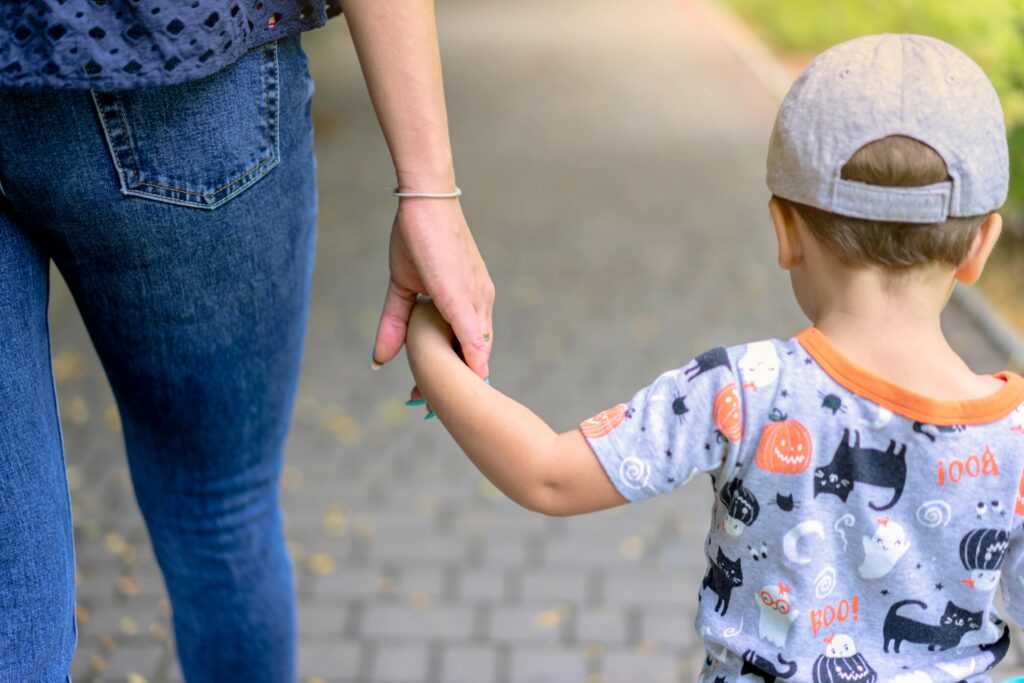
- Children with autism are at higher risk for accidents due to challenges in recognizing danger and following safety rules.
- Teaching safety skills is essential for preventing injuries, promoting independence, and boosting confidence.
- Structured, visual, and repetitive strategies, such as ABA techniques, social stories, and role-playing, help children with autism learn and generalize essential safety skills.
Why Safety Skills Are Crucial for Children with Autism
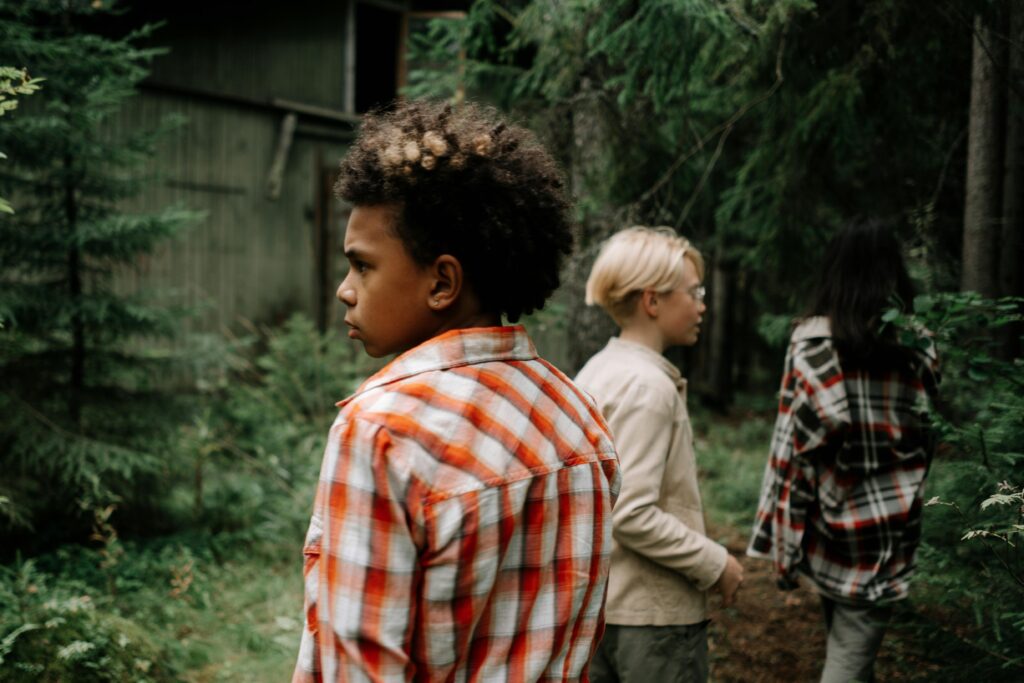
Teaching safety skills to children with autism is essential for preventing injuries from high-risk behaviors, such as stranger danger
Research indicates that children with ASD often face challenges in learning and applying safety skills due to their unique behavioral characteristics.
Beyond protection, teaching safety skills to children with autism promotes independence, builds confidence, and equips children with the tools they need to recognize dangers, navigate the community safely, and respond effectively in emergencies.
1. Preventing Elopement and Accidents: Children with autism may wander into unsafe areas, such as streets, parking lots, or unfamiliar spaces. Teaching danger awareness through structured training ensures they understand boundaries and can respond appropriately to potential hazards.
2. Promoting Independence and Confidence: Mastering safety skills, such as crossing streets safely, recognizing community helpers, or asking for help when needed, allows children to gain autonomy and reduces reliance on constant supervision.
3. Improving Community Access: Safety skills enable children with autism to safely participate in public spaces, such as parks, stores, or recreational centers. Following safety rules allows families to enjoy outings with less stress and more confidence.
4. Addressing Developmental Differences: Due to unique sensory and communication needs, children with autism often require structured teaching methods, such as visual supports, social stories, or Applied Behavior Analysis (ABA) therapy, to learn safety concepts that typically developing children grasp instinctively.
Recognizing When a Child Feels Unsafe
An autistic child’s reactions to danger or distress are often misunderstood as “misbehavior.” Recognizing these cues is critical:
- Fight or Flight Responses: Meltdowns, screaming, or aggressive behaviors may indicate fear or sudden environmental changes.
- Flight/Wandering: Running away, hiding, or attempting to escape demonstrates an urgent need for safety.
- Shutdown/Freeze: Silence, withdrawal, or curling up can reflect overwhelming fear or sensory overload.
- Increased Self-Injury & Stimming: More frequent head-banging, rocking, or rigid repetitive behaviors signal distress.
- Regression in Skills: Temporary loss of previously mastered skills often occurs under stress.
- Physical Indicators: Muscle tension, rapid breathing, or covering ears/eyes indicate the nervous system is overloaded.
Using ABA to Teach Safety Skills
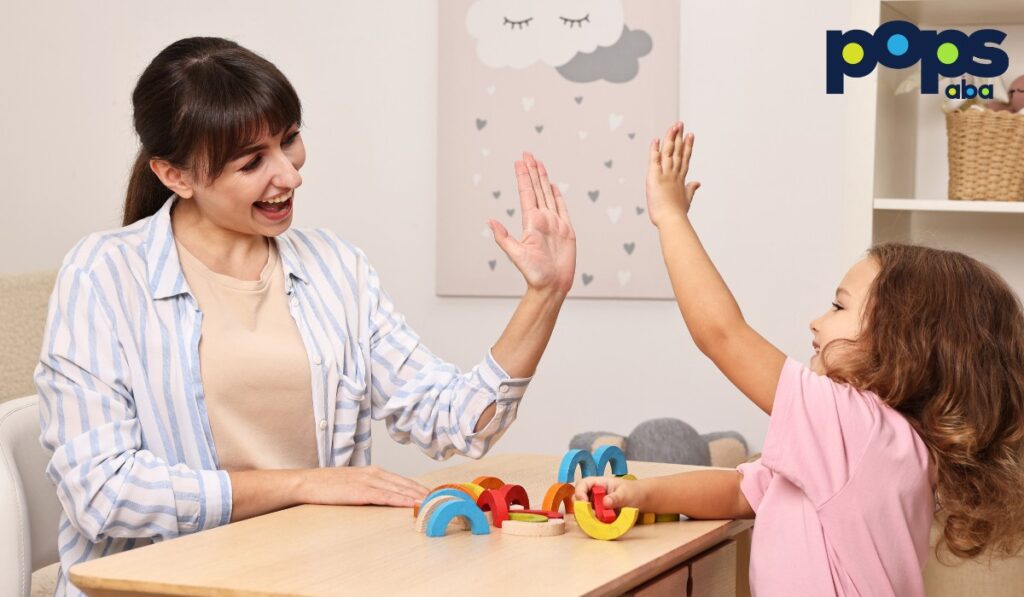
Applied Behavior Analysis (ABA) provides a structured approach to teaching safety skills autism. Breaking down complex behaviors into small steps, using positive reinforcement, and practicing in real-life settings helps children acquire and maintain essential skills.
Core ABA Strategies for Safety Skills:
- Behavioral Skills Training (BST): Instruction, modeling, rehearsal, and feedback.
- In Situ Training (IST): Practicing skills in the actual environment to ensure generalization.
- Positive Reinforcement: Rewarding safe behaviors immediately to encourage repetition.
- Task Analysis: Breaking complex tasks into manageable, teachable steps.
- Visual Supports: Social stories, picture cards, or signs to explain safety rules.
- Prompting and Fading: Gradually reducing prompts as the child gains independence.
Key Safety Skills to Target:
- Elopement/Wandering Prevention: Staying with an adult, stopping at curbs, recognizing “stop” signs.
- Environmental Hazards: Identifying dangers like stoves, sharp objects, or poisonous substances.
- Body Safety and Privacy: Understanding personal boundaries and appropriate touch.
- Emergency Procedures: Calling 911 or finding a safe adult when lost.
Steps for Implementing a Safety Plan
- Assess Risks: Identify hazards in home, school, and community settings.
- Define the Skill: Use clear, actionable instructions, e.g., “Stop at the corner.”
- Model the Behavior: Demonstrate correct actions.
- Rehearse: Role-play in safe, controlled settings.
- Generalize: Practice skills in real-world environments.
- Reinforce: Reward successful execution immediately.
Additional Tools:
- Locks, Alarms, and Fencing: Secure doors, windows, and outdoor areas.
- Safety IDs and GPS Trackers: Identification bracelets, shoe tags, and tracking devices.
- Communication Supports: AAC devices to help children report their name or location if lost.
Teaching Stranger Danger Awareness
Teaching stranger safety to children with autism requires concrete, visual, and repetitive methods to make abstract safety rules clear and actionable.
Using Behavioral Skills Training (BST), children can practice saying “No,” walking away, and reporting to a trusted adult. Combining role-playing, telling stories, and real-world identification of “safe” strangers (such as police officers or store clerks) helps children generalize these skills across environments.
Scenario Training: Stranger Safety at the Park
Goal: Teach the child to recognize a potential lure and respond safely.
Setup: Visit a park with a trusted helper acting as a stranger.
Scenario: The child is playing while supervised. The “stranger” approaches and tries to lure them with a special interest item (e.g., “I have a new iPad in my car, want to see it?”).
Correct Behavior: The child says “No,” moves at least 10 feet away, and informs a trusted adult (parent, guardian, or teacher).
Practice Routine:
- Model the correct behavior 4 times.
- Have the child practice 5 role-plays, ensuring accurate responses.
- Repeat for 3 consecutive days to reinforce learning.
Key Safety Strategies for Autism:
- Define “Strangers” Clearly: Use Social Stories or visual aids to show that strangers are people they do not know well or have not been introduced to by a trusted adult.
- Identify “Safe” Adults: Teach children to recognize uniforms, name tags (store clerks), or familiar caregivers if they feel unsafe.
- Address Lures: Practice common scenarios, such as someone asking for help or offering items, to prepare the child for subtle approaches.
- Generalization: Practice skills in multiple locations (stores, parks, school) to ensure rules apply in all settings.
- Use Visuals & Stories: Social Stories™ and picture cues make abstract safety concepts concrete and understandable.
Tips:
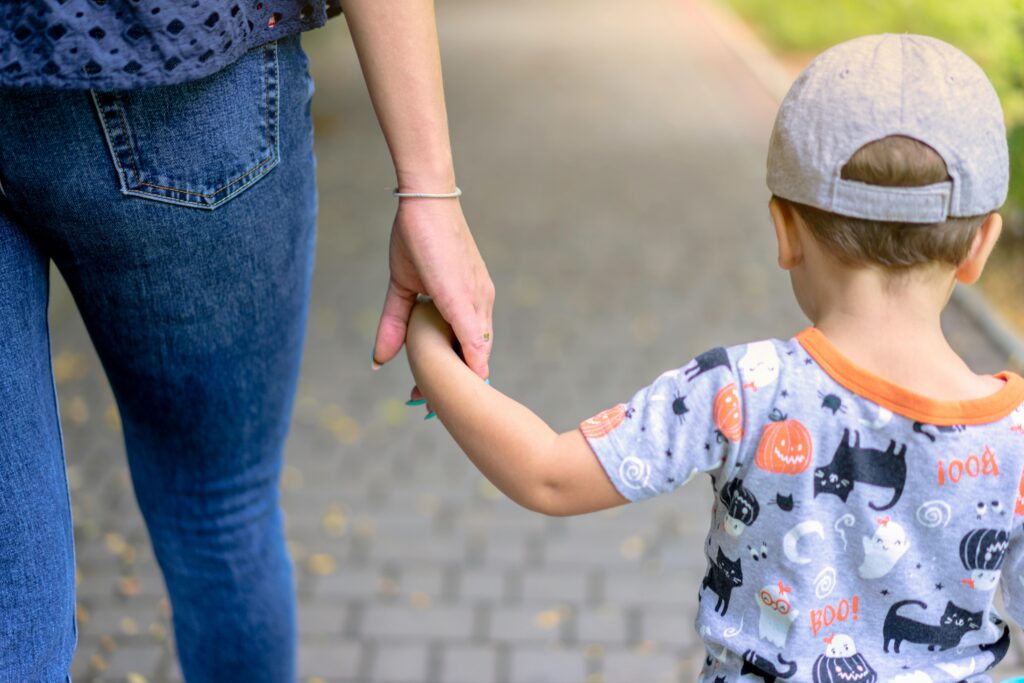
- Hold hands or use a safety harness initially if the child is prone to elopement.
- Gradually fade prompts as the child gains confidence.
Elopement and Wandering Prevention
Goal: Prevent the child from leaving safe areas unsupervised.
Preparation:
- Install door and window alarms.
- Use GPS tracking devices or identification bracelets.
Method:
- Instruction: Teach the child to stop and wait at doors or gates.
- Modeling & Role-Play: Practice stopping at doors, waiting for permission, and checking in with a caregiver.
- Reinforcement: Praise or reward compliance immediately.
- Emergency Planning: Teach the child to identify safe adults and call for help if lost.
Tips:
- Inform neighbors and school staff about the child’s elopement tendencies.
- Make sure the child always has identification, such as a bracelet with name and caregiver contact.
Stranger Danger and Community Safety
Goal: Help the child identify safe and unsafe adults and respond appropriately.
Preparation:
- Create a Social Story showing “safe” adults (police, firefighters, store staff) and “unsafe” strangers.
- Develop a short safety script: “No,” “Stop,” or “I don’t know you.”
Method:
- Instruction: Teach the child who a stranger is and who is a safe adult.
- Modeling: Demonstrate saying “No” and moving toward a safe adult.
- Role-Play: Practice scenarios, such as being approached in a park or store.
- Reinforcement: Praise or reward the child for using the correct response.
- Generalization: Practice in real-life settings with varying levels of distraction.
Tips:
- Avoid vague rules like “Never talk to strangers,” which can confuse the child.
- Teach online stranger safety as well, using similar visual supports and scripts.

Household Hazards
Goal: Prevent accidents at home by teaching awareness of dangerous items.
Preparation:
- Install stove knob covers, locked cabinets, outlet protectors, and corner guards.
- Use visual labels for hazards (e.g., cleaners, knives, medicine).
Method:
- Instruction: Explain what is dangerous and why.
- Modeling: Demonstrate correct behavior, such as asking for help before using a high-risk item.
- Role-Play: Practice scenarios like approaching the stove or cleaning supplies.
- Reinforcement: Immediate praise or a token reward for following safety rules.
- Generalization: Practice in different rooms and situations.
Personal Space and Body Safety
Goal: Teach boundaries, safe touch, and personal privacy.
Preparation:
- Use Social Stories and visual aids to illustrate private versus public areas.
- Teach concepts of safe and unsafe touch.
Method:
- Instruction: Explain what is appropriate touching and personal space.
- Modeling: Demonstrate greetings, handshakes, and respecting space.
- Role-Play: Practice scenarios such as someone reaching into personal space.
- Reinforcement: Praise for maintaining boundaries or using appropriate phrases like “Stop” or “No, thank you.”
Water and Outdoor Safety
Goal: Reduce risks around pools, beaches, or other water hazards.
Preparation:
- Install pool gates, alarms, and barriers.
- Enroll the child in 1:1 swimming lessons.
Method:
- Instruction: Teach rules like “Stay near an adult” and “Never go in the water alone.”
- Role-Play: Practice stopping at pool edges and calling an adult for help.
- Reinforcement: Praise or reward following water safety rules.
Tips for Successful Safety Skills Training
- Consistency: Apply rules across home, school, and community settings.
- Visual Supports: Use pictures, Social Stories, and cue cards to make abstract concepts concrete.
- Positive Reinforcement: Immediate rewards increase the likelihood of repeated safe behavior.
- Gradual Generalization: Start in controlled environments and move to real-world settings.
- Collaboration: Share plans with caregivers, teachers, and therapists for consistent implementation.
By using structured, visual, and repetitive strategies, children with autism can develop safety skills, danger awareness, and stranger danger awareness, helping them navigate the world more confidently and independently.

Autism Safety Skills Checklist for Parents & Caregivers
1. Elopement & Wandering Prevention
- Teach the child to stop and wait at doors, gates, or curbs.
- Practice “check-in” routines before leaving any area.
- Use visual cues or Social Stories for boundaries.
- Role-play safe behaviors around doors, elevators, streets, and parking lots.
- Install alarms on doors/windows and use GPS tracking devices or ID bracelets.
- Inform neighbors, teachers, and caregivers about wandering tendencies.
- Ensure the child always carries identification with caregiver contact info.
2. Stranger & Community Safety
- Define “strangers” clearly using Social Stories or visual aids.
- Teach identification of “safe” adults (police, firefighters, store staff).
- Practice scripts: “No,” “Stop,” or “I don’t know you.”
- Role-play real-life stranger scenarios in multiple environments.
- Reinforce correct responses immediately with praise or reward.
- Teach online safety and stranger awareness for digital interactions.
3. Household Hazards
- Identify dangerous items: stoves, knives, cleaning supplies, medicine, sharp objects.
- Install safety devices: stove knob covers, outlet protectors, locked cabinets, corner guards.
- Use visual labels to highlight hazards.
- Teach and model safe behaviors for high-risk items.
- Practice role-play for household scenarios: approaching stoves, using cleaning products.
4. Personal Space & Body Safety
- Teach safe touch and personal boundaries.
- Use Social Stories and visual aids for private vs. public spaces.
- Model greetings, handshakes, and respecting others’ personal space.
- Practice saying “Stop” or “No, thank you” in role-plays.
- Reinforce appropriate responses immediately.
5. Emergency Skills
- Teach the child how to identify safe adults in emergencies.
- Practice calling 911 or asking for help.
- Role-play scenarios for being lost in public.
- Ensure the child knows their full name, address, and phone number.
- Reinforce skills in multiple settings to promote generalization.
6. Water & Outdoor Safety
- Teach rules: “Stay near an adult,” “Never go in water alone.”
- Install barriers around pools and water hazards.
- Enroll the child in 1:1 swimming lessons if possible.
- Role-play stopping at pool edges, calling for help, and leaving unsafe areas.
- Reinforce water safety behaviors consistently.
7. Teaching & Reinforcement Strategies
- Use Behavioral Skills Training (BST): instruction, modeling, rehearsal, feedback.
- Implement In Situ Training (IST): practice skills in real-world settings.
- Use visual supports: Social Stories, picture cards, signs.
- Break down complex tasks into small steps (task analysis).
- Apply positive reinforcement immediately after safe behaviors.
- Gradually fade prompts as the child becomes more independent.
- Collaborate with teachers, therapists, and other caregivers for consistency.
Need Help Implementing Safety Skills?
For guidance tailored to your child’s needs, contact Pops ABA Therapy today. Our trained specialists can help you develop structured, practical strategies to teach safety skills, danger awareness, and independence in a supportive, ABA-based approach.
FAQs
1. Why is teaching stranger danger important for children with autism?
Children with autism may struggle to recognize potential dangers or respond appropriately in unfamiliar situations. Teaching stranger safety helps prevent accidents, promotes independence, and builds confidence.
2. At what age should I start teaching safety skills?
Safety skills can be introduced as early as preschool age, but the approach should be tailored to the child’s developmental level, communication skills, and individual needs. Early, structured practice increases success.
3. How can I teach my child to respond safely to strangers?
Use structured strategies like role-playing, modeling, and consistent practice in real-life settings. Teach simple, actionable responses, such as “No,” “Stop,” and seeking help from a trusted adult.
4. How can ABA therapy help with safety skills?
ABA breaks down complex safety behaviors into manageable steps, uses positive reinforcement, and practices skills in real-world environments to ensure children learn and retain essential safety skills.
5. How do I prevent my child from wandering or eloping?
Teach stopping at doors and curbs, use visual cues or prompts, install door/window alarms, and consider GPS trackers or identification bracelets. Reinforce these behaviors consistently across settings.
6. How can I generalize safety skills across different environments?
Practice skills in multiple settings, home, school, parks, stores, gradually increasing distractions. Consistency, repetition, and positive reinforcement help children apply learned behaviors in new situations.
